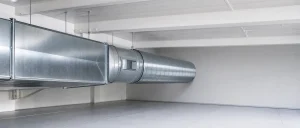
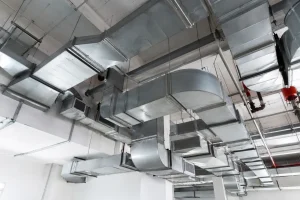
In today’s rapidly evolving world, sustainability is no longer just a buzzword; it’s a necessity. As we strive to reduce our carbon footprint and mitigate the impacts of climate change, every aspect of building design and construction comes under scrutiny. From energy-efficient lighting to eco-friendly materials, the quest for sustainability touches every facet of the construction industry. One area that’s often overlooked but holds significant potential for reducing environmental impact is ducting solutions for HVAC systems in green buildings.
The Importance of Sustainable Ducting Solutions
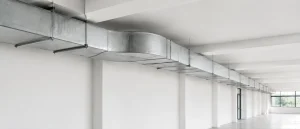
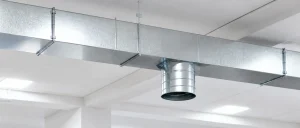
Heating, ventilation, and air conditioning (HVAC) systems play a crucial role in maintaining indoor air quality and comfort levels in buildings. However, traditional ducting materials and installation methods can contribute to energy loss, air leakage, and increased environmental impact. By exploring sustainable ducting solutions, building owners, designers, and HVAC professionals can make significant strides towards creating more environmentally friendly and energy-efficient structures.
Key Considerations for Sustainable Ducting
When evaluating ducting solutions for green buildings, several key considerations come into play. These include:
- Material Selection: Opting for materials with low environmental impact, such as recycled steel, aluminium, or fiberglass-reinforced plastics, can significantly reduce the carbon footprint associated with ducting systems.
- Energy Efficiency: Sustainable ducting solutions should prioritize energy efficiency by minimizing air leakage and heat transfer. Sealing joints and using insulation materials with high R-values help prevent energy loss and improve system performance.
- Recyclability and End-of-Life Disposal: Consideration should be given to the recyclability and end-of-life disposal of ducting materials. Choosing products that are easily recyclable or biodegradable helps reduce waste and environmental impact.
- Indoor Air Quality: Sustainable ducting solutions should prioritize indoor air quality by minimizing the release of volatile organic compounds (VOCs) and other harmful substances. Opting for low-emission materials and coatings can help maintain a healthy indoor environment.
- Lifecycle Cost Analysis: While sustainable ducting solutions may have higher upfront costs, conducting a lifecycle cost analysis can demonstrate long-term savings in energy consumption, maintenance, and replacement costs.
Innovative Sustainable Ducting Solutions
The quest for sustainability has spurred innovation in ducting technology, leading to the development of several eco-friendly solutions:
- Fabric Ducting: Fabric ducting, made from lightweight, recyclable materials such as polyester or nylon, offers a sustainable alternative to traditional metal ductwork. Fabric ducts are easy to install, customizable, and promote even air distribution while reducing energy consumption.
- Bio-Based Insulation: Insulation materials derived from renewable sources, such as soy-based foam or recycled denim, provide effective thermal protection while minimizing environmental impact. These materials offer excellent insulation properties without the use of harmful chemicals or ozone-depleting substances.
- Prefabricated Duct Modules: Prefabricated duct modules, manufactured off-site using sustainable materials and construction methods, offer a cost-effective and efficient alternative to traditional ductwork fabrication. Prefabricated modules reduce waste, streamline installation, and ensure consistent quality and performance.
- Ductless HVAC Systems: Ductless HVAC systems eliminate the need for ductwork, reducing energy loss and improving indoor air quality. These systems use compact indoor units connected to outdoor condensers via refrigerant lines, offering greater flexibility and energy efficiency in heating and cooling applications.
- Thermal Energy Recovery Systems: Thermal energy recovery systems capture waste heat from exhaust air and transfer it to incoming fresh air, reducing the energy required to heat or cool the building. By recovering and recycling thermal energy, these systems help optimize HVAC efficiency and reduce environmental impact.
Conclusion
In the pursuit of sustainable building practices, the selection of ducting solutions plays a critical role in achieving energy efficiency, indoor air quality, and environmental stewardship. By embracing innovative technologies and materials, green buildings can minimize their carbon footprint, reduce operating costs, and create healthier, more comfortable indoor environments for occupants. As we continue to explore sustainable ducting solutions, collaboration among manufacturers, designers, and building owners will be key to driving meaningful change and shaping the future of sustainable building design.
In summary, sustainable ducting solutions represent not only an opportunity to reduce environmental impact but also a testament to our commitment to building a more sustainable future for generations to come.