Introduction to Kitchen Ventilation Safety
Running a commercial kitchen involves serious responsibilities. Fire safety is the most critical factor for your business. Kitchen fires often start in dirty ventilation networks. This is why you need to understand TR19 regulations. We will explain exactly what this standard means and how you can protect your property. This guide provides real value without confusing jargon.
What is TR19 Compliance
The Building Engineering Services Association created these guidelines to improve building safety. The rules standardise how contractors remove grease and dust. This framework protects restaurants and public buildings alike. We at CVK Ductwork Services know that staying compliant keeps your staff safe. Understanding these rules is the first step towards better kitchen extract hygiene.
The Hidden Dangers of Grease Accumulation
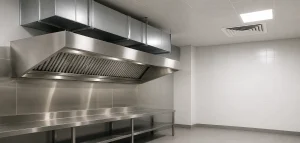
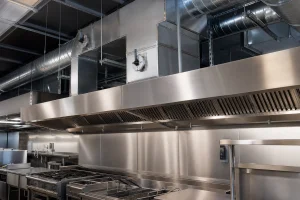
Why does commercial kitchen fire safety matter so much? Cooking produces vaporised oils and fats. These substances travel through the kitchen canopy and settle inside the ducts. Thick grease accumulations ignite easily. A fire inside your ventilation system spreads rapidly. Failing to maintain appropriate cleaning records may affect insurance claims or policy compliance, depending on your insurer’s requirements. Effective kitchen ductwork cleaning saves lives and protects your livelihood.
The Core TR19 Standards
The regulations are split into two main categories to ensure total safety.
TR19 Grease
This section focuses entirely on commercial kitchen duct cleaning. It measures how much grease accumulates in the system. Proper grease extraction cleaning is essential for fire prevention.
TR19 Air
This section focuses on general indoor air quality. It ensures your building maintains healthy breathing conditions for everyone inside. Both standards require strict attention from business owners.
Step-by-Step Process for Certification
Here is how you achieve full compliance and secure your building.
- Book an initial inspection. Technicians check the system layout and measure grease thickness.
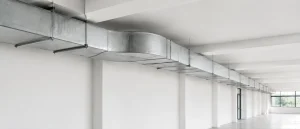
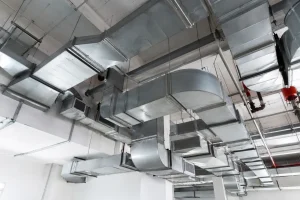
- Install proper access panels. We need access to clean your rectangular ductwork properly.
- Perform the deep clean. Experts scrape and remove all grease deposits safely.
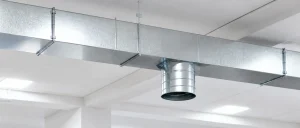
- Inspect system parts. We ensure items like your volume control dampers function correctly.
- Issue the official paperwork. You receive a detailed report with photographic evidence.
Real World Scenarios
Imagine a busy hotel kitchen. The staff cook hundreds of meals daily. Grease accumulates fast in their kitchen extraction systems. They must book a professional kitchen extract cleaning service every three months. A smaller cafe might only need ventilation duct cleaning once a year. Your specific menu and cooking volume determine the frequency of TR19 kitchen extract cleaning.
- Regular maintenance of kitchen extraction systems prevents devastating fires.
- Proper TR19 certification keeps your commercial insurance valid.
- Clean ducts improve overall air quality for your staff.
- Different kitchens need completely different cleaning schedules.
Common Pitfalls to Avoid
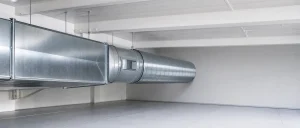
Ignoring the cleaning schedule is a major error. Many owners wait too long between cleans. Hiring uncertified cleaners is another dangerous trap. You should use competent, specialist contractors to help meet insurance requirements for commercial kitchens. Forgetting to clean spiral ductwork hidden above ceilings leaves unseen fire risks. We strongly advise avoiding these mistakes.
Professional Cleaning Versus Daily Surface Wipes
Your kitchen staff can wipe down hoods daily. This daily surface cleaning is vital but staff cannot reach deep inside the ducts. Professional commercial kitchen ventilation cleaning uses specialist equipment. Professionals reach every hidden corner and provide official certification. You need both approaches to maintain a safe working environment.
Frequently Asked Questions
Who needs TR19 compliance?
Any business operating a commercial kitchen should follow TR19 guidance and maintain appropriate cleaning records to help meet fire safety responsibilities and insurance requirements.
How often should kitchen extract systems be cleaned under TR19?
High-volume kitchens need quarterly cleaning. Medium-volume kitchens need cleaning twice a year. Low-volume kitchens need annual cleaning.
Final Summary
Keeping your kitchen safe requires regular professional maintenance. Following these standards protects your property and your people. We strongly advise booking regular inspections to stay ahead of grease accumulation. A proactive approach is always better than reacting to an emergency.
Secure Your Kitchen Today
Are you ready to secure your building and achieve full compliance? Contact CVK Ductwork Services today. We can evaluate your system and provide a comprehensive cleaning plan tailored to your needs.