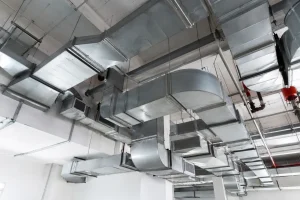
Selecting the appropriate duct material is a crucial decision in the design and installation of a commercial HVAC (Heating, Ventilation, and Air Conditioning) system. The ducts play a significant role in the performance, efficiency, and longevity of the HVAC system, impacting factors such as airflow, energy consumption, indoor air quality, and maintenance requirements. With a wide range of duct materials available, understanding the key considerations can help you make an informed decision that meets the specific needs of your commercial building.
Factors to Consider When Choosing Duct Material
Several factors should be taken into account when evaluating duct material options for your commercial HVAC system:
- Cost: Consider the initial cost of the duct material, as well as long-term maintenance and replacement expenses.
- Durability: Assess the durability and longevity of the duct material, taking into account factors such as corrosion resistance, structural integrity, and resistance to environmental conditions.
- Insulation Properties: Evaluate the insulation properties of the duct material, which impact thermal efficiency, energy consumption, and indoor comfort levels.
- Air Quality: Consider the impact of the duct material on indoor air quality, including the release of volatile organic compounds (VOCs) and potential allergens.
- Noise Transmission: Evaluate the noise transmission characteristics of the duct material, particularly in applications where noise control is critical, such as office spaces or healthcare facilities.
- Fire Resistance: Assess the fire resistance rating of the duct material, ensuring compliance with local building codes and safety standards.
- Installation Requirements: Consider the installation requirements and compatibility of the duct material with existing HVAC systems, construction methods, and building layouts.
- Environmental Impact: Evaluate the environmental impact of the duct material, including factors such as recyclability, energy consumption during production, and end-of-life disposal considerations.
Common Duct Material Options
Several types of duct materials are commonly used in commercial HVAC systems, each offering unique advantages and considerations:
- Sheet Metal: Sheet metal ducts, typically made from galvanized steel or aluminium, offer durability, fire resistance, and structural integrity. They are suitable for a wide range of applications and provide excellent airflow performance. However, they can be prone to corrosion and may require regular maintenance to prevent rust and deterioration.
- Fiberglass Reinforced Plastic (FRP): FRP ducts are lightweight, corrosion-resistant, and suitable for applications where moisture or chemical exposure is a concern, such as industrial facilities or laboratories. They offer excellent thermal insulation properties and require minimal maintenance. However, they may have higher upfront costs compared to other duct materials.
- Flexible Ductwork: Flexible ductwork, typically made from a combination of plastic and wire helix reinforcement, offers flexibility and ease of installation in tight spaces or irregular layouts. They are cost-effective and lightweight but may be prone to airflow restrictions and damage if not installed correctly.
- Duct Board: Duct board, composed of fibreglass insulation sandwiched between layers of foil or other facing materials, provides thermal insulation and sound attenuation properties. They are lightweight, easy to cut, and install but may require additional sealing to prevent air leakage and maintain indoor air quality.
- PVC Ducts: PVC ducts are lightweight, corrosion-resistant, and suitable for applications where chemical resistance is required, such as wastewater treatment facilities or chemical processing plants. They offer excellent durability and low maintenance requirements but may have limited temperature and fire resistance.
- Fabric Ducts: Fabric ducts, made from permeable textile materials, offer flexibility, aesthetics, and uniform airflow distribution. They are lightweight, easy to install, and customizable, making them suitable for applications where aesthetics and comfort are priorities. However, they may have higher initial costs and require regular cleaning to maintain indoor air quality.
Conclusion
Choosing the right duct material for your commercial HVAC system is a critical decision that impacts the performance, efficiency, and longevity of the system. By considering factors such as cost, durability, insulation properties, air quality, noise transmission, fire resistance, installation requirements, and environmental impact, you can select a duct material that meets the specific needs of your building and occupants.
Whether you opt for traditional sheet metal ducts, corrosion-resistant fibreglass reinforced plastic, flexible ductwork, duct board, PVC ducts, or innovative fabric ducts, it’s essential to weigh the pros and cons of each material and consult with HVAC professionals to ensure compatibility with your system and building requirements.
Ultimately, investing in the right duct material upfront can result in improved energy efficiency, indoor air quality, occupant comfort, and long-term cost savings, making it a worthwhile consideration for any commercial building project.