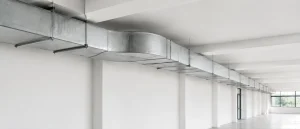
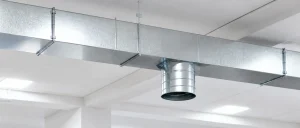
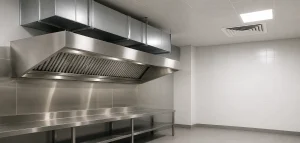
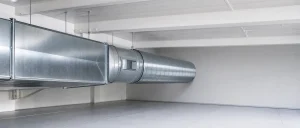
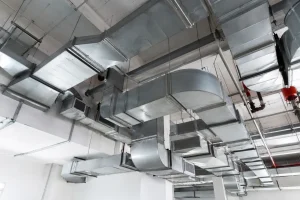
Installing commercial ductwork is a critical component of any HVAC system. Proper installation ensures efficient airflow, optimal performance, and long-term reliability. However, even seasoned HVAC professionals can fall prey to common mistakes that compromise system efficiency, indoor air quality, and occupant comfort. In this blog post, we’ll explore some of the most prevalent mistakes to avoid when installing commercial ductwork, along with key tips for ensuring a successful installation process.
Introduction to Commercial Ductwork Installation
Commercial ductwork installation requires meticulous planning, precise execution, and adherence to industry best practices. From duct sizing and layout design to sealing and insulation, every aspect of the installation process influences the performance and efficiency of the HVAC system. By avoiding common pitfalls and following established guidelines, HVAC contractors can deliver high-quality installations that meet the needs of building owners and occupants.
Common Mistakes in Commercial Ductwork Installation
Let’s examine some of the most common mistakes encountered during commercial ductwork installation:
- Improper Duct Sizing: Undersized or oversized ductwork can lead to airflow restrictions, pressure imbalances, and reduced system efficiency. Proper duct sizing is essential for maintaining consistent airflow rates and temperature distribution throughout the building.
- Inadequate Sealing and Insulation: Poorly sealed duct joints and insufficient insulation can result in air leakage, thermal losses, and reduced energy efficiency. Proper sealing and insulation techniques help prevent heat transfer, minimize energy consumption, and maintain indoor comfort levels.
- Incorrect Duct Layout: Inefficient duct layouts, such as long, convoluted runs or excessive bends and turns, can increase pressure drop, airflow resistance, and fan energy consumption. Optimal duct layouts prioritize straight runs, gradual bends, and proper sizing to minimize friction losses and maximize airflow efficiency.
- Neglecting Air Balancing: Failure to perform air balancing and commissioning procedures can result in uneven airflow distribution, hot and cold spots, and occupant discomfort. Proper air balancing ensures that each room receives adequate airflow and temperature control, optimizing system performance and comfort.
- Ignoring Building Codes and Regulations: Non-compliance with local building codes and regulations regarding duct installation, fire safety, and ventilation requirements can result in costly fines, legal liabilities, and safety hazards. Contractors must familiarize themselves with applicable codes and standards and ensure compliance throughout the installation process.
- Lack of Accessibility for Maintenance: Inaccessible ductwork locations, such as concealed ceilings or tight crawl spaces, make routine maintenance and repairs challenging and costly. Installers should prioritize accessibility when designing duct layouts to facilitate future maintenance and serviceability.
- Overlooking Air Quality Considerations: Neglecting air quality considerations, such as filtration, ventilation, and pollutant control, can compromise indoor air quality and pose health risks to building occupants. Properly designed duct systems incorporate air filtration, ventilation, and pollutant mitigation measures to maintain healthy indoor environments.
Tips for Successful Commercial Ductwork Installation
To ensure a successful commercial ductwork installation, contractors should follow these key tips and best practices:
- Perform Detailed Load Calculations: Conduct comprehensive heating and cooling load calculations to determine the required airflow rates, duct sizes, and layout configurations for each zone or space within the building.
- Use High-Quality Materials and Components: Invest in high-quality duct materials, insulation, sealants, and fittings that meet industry standards and performance specifications.
- Follow Manufacturer Guidelines and Best Practices: Adhere to manufacturer guidelines, industry standards, and best practices for duct sizing, layout design, sealing, insulation, and installation techniques.
- Engage in Continuous Training and Education: Stay updated on the latest developments, technologies, and best practices in ductwork installation through ongoing training, certification programs, and industry seminars.
- Prioritize Air Quality and Comfort: Design duct systems with a focus on indoor air quality, comfort, and occupant satisfaction, considering factors such as filtration, ventilation, humidity control, and temperature regulation.
- Conduct Thorough Testing and Commissioning: Perform rigorous testing, commissioning, and air balancing procedures to verify system performance, airflow distribution, and temperature control before handing over the system to the building owner.
Conclusion
Avoiding common mistakes and following best practices are essential for achieving optimal performance, efficiency, and reliability in commercial ductwork installations. By addressing issues such as improper sizing, inadequate sealing, inefficient layout design, non-compliance with codes and regulations, and neglect of air quality considerations, HVAC contractors can deliver installations that meet the highest standards of quality, comfort, and sustainability.
As the HVAC industry continues to evolve, contractors must remain vigilant in their commitment to excellence, professionalism, and continuous improvement. By prioritizing proper planning, meticulous execution, and adherence to industry standards, contractors can avoid costly mistakes and ensure successful outcomes for commercial ductwork installations, benefiting building owners, occupants, and the environment alike.