Air quality inside workplaces often receives less attention than it should. Yet dust, fumes, vapours and fine particles are produced in many everyday industrial processes. When these contaminants remain in the air, they can affect both workers’ health and workplace safety.
This is where Local Exhaust Ventilation (LEV) becomes essential.
In this guide, we explain what LEV is, how LEV systems work, why testing and inspections are required, and what UK regulations expect from businesses. We also explain how proper LEV design, maintenance, and testing help create a safer working environment.
By the end of this article, you will understand how LEV protects workers, why HSE guidance matters, and how to ensure your ventilation systems remain effective.
What is LEV?
LEV stands for Local Exhaust Ventilation. It is an engineering control system used to remove harmful airborne contaminants from a workplace before workers breathe them in.
So, when people ask what LEV stands for, it simply refers to a system that captures contaminated air at the source and removes it safely.
In practical terms, LEV is used in workplaces where processes create dust, fumes, gases, mist, or vapour. These systems extract polluted air and either filter it or discharge it safely outside the building.
This is why the LEV meaning in safety is so important. It is not just ventilation. It is a protective control that reduces exposure to hazardous substances.
When designed properly, an LEV system captures contaminants directly where they are produced. This prevents them from spreading through the work area.
Why LEV is Important for Workplace Safety
In many industries, workers can be exposed to substances that affect their lungs, skin or overall health. Welding fumes, wood dust, chemicals, and paint vapours are just a few examples.
Without proper control measures, these contaminants remain in the air, and workers breathe them in throughout the day.
An effective local exhaust ventilation system helps control these risks by removing contaminants at their source.
This is why UK safety regulations strongly support LEV use. The Control of Substances Hazardous to Health (COSHH) regulations require employers to control exposure to harmful substances. In many workplaces, LEV is a means of controlling airborne hazards.
The Health and Safety Executive (HSE) also provides detailed guidance on how LEVs should be designed, installed and maintained.
Following HSE LEV guidance helps ensure that ventilation systems actually protect workers rather than simply moving contaminated air around the building.
How a Local Exhaust Ventilation System Works
Although systems vary depending on the industry, most LEV systems follow the same basic structure.
A typical system contains several key components:
Component | Function |
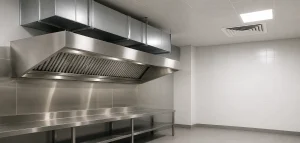
Capture Hood | Collects contaminated air directly at the source before it spreads into the workspace |
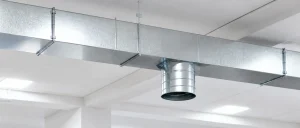
Ductwork | Transports contaminated air safely through the ventilation system |
Filter or Air Cleaner | Removes hazardous particles, dust, or fumes from the air |
Fan | Creates airflow and moves air through the entire system |
Discharge Outlet | Safely releases the cleaned air back outside |
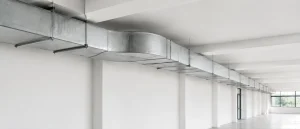
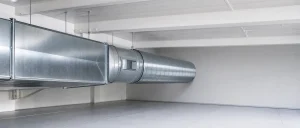
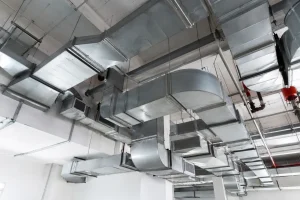
The quality of ducting plays an important role in airflow performance. Many systems rely on professionally manufactured ductwork.
Different projects may also require specific ducting types. For example:
- Rectangular ductwork is often used where space is limited.
- Spiral ductwork is popular for high-efficiency airflow and durability.
The design of the duct network is critical because poorly designed ducting reduces airflow and weakens the entire LEV system.
LEV Design: Why It Must Be Done Correctly
The effectiveness of any ventilation system begins with LEV design.
A poorly designed system may look functional but fail to capture contaminants where they are produced. This means harmful particles still reach workers even though ventilation equipment is installed.
Good design considers several important factors:
- Type of contaminant produced
- Volume of emissions
- Worker position relative to the source
- Airflow velocity required to capture contaminants
- Layout of ductwork and extraction points
For example, Welding fumes behave very differently from wood dust. Each process requires a tailored extraction approach.
Professional design also ensures airflow remains consistent throughout the system. This prevents pressure drops and inefficient extraction.
What is LEV Testing?
LEV testing is a formal process used to confirm that the system is working correctly and controlling exposure to hazardous substances.
In the UK, this is known as LEV examination and testing, sometimes referred to as a Thorough Examination and Test (TExT).
During this process, specialists check several aspects of the system including:
- Airflow performance
- Condition of filters and fans
- Hood capture efficiency
- Duct integrity
- System design effectiveness
Technicians also use specialist LEV testing equipment to measure airflow rates, pressure levels, and capture efficiency.
Once testing is completed, a report is produced. This document confirms whether the system is operating effectively or requires corrective work.
LEV Testing Requirements in the UK
Under COSHH regulations, most LEV systems must undergo formal testing at least every 14 months.
These LEV testing requirements exist to ensure systems remain effective over time. Dust build up, damaged filters or changes to the workplace layout can reduce system performance.
Testing must be carried out by a competent professional who understands airflow measurement and ventilation system design.
In some high-risk environments, testing may be required more frequently. For example, workplaces dealing with carcinogenic substances may require inspections every six months.
Following HSE LEV testing regulations protects both workers and businesses. It ensures that safety systems do not fail silently.
LEV Inspections and Routine Maintenance
Formal testing every 14 months is only one part of system management.
Regular LEV inspections and routine checks are also essential.
A good maintenance plan includes:
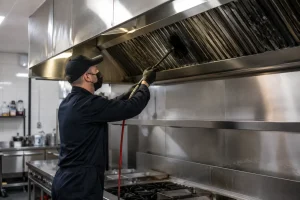
- Visual inspections of hoods and ducting
- Checking airflow indicators
- Cleaning filters and extraction points
- Monitoring fan performance
- Recording inspection results
These routine checks help identify small problems early before they become serious failures.
Proper LEV system maintenance also extends the lifespan of ventilation equipment and reduces long-term repair costs.
What Happens During an LEV Risk Assessment
Before installing or upgrading a system, many companies perform an LEV risk assessment.
This process examines the workplace and identifies potential airborne hazards.
The assessment normally reviews:
- Work processes that create contaminants
- Number of workers exposed
- Duration of exposure
- Type of hazardous substances produced
- Existing ventilation controls
The goal is to determine whether a workplace dust extraction system or a full industrial ventilation system is required.
This step ensures the chosen solution actually addresses the risks present in the workplace.
Practical Example: Where LEV Systems Are Used
LEV systems are used across many industries where airborne contamination is produced.
Some common examples include:
Welding workshops
Extraction hoods capture metal fumes directly above the welding area.
Woodworking facilities
Dust extraction systems remove fine wood particles generated by cutting and sanding.
Spray painting operations
Ventilation booths capture paint mist and prevent overspray from spreading through the workspace.
Manufacturing plants
Industrial ventilation systems control fumes from chemical processes or machinery.
In each case, the goal is the same. Capture contaminants before workers inhale them.
Common Mistakes Businesses Make with LEV
Even when companies install ventilation systems, they sometimes fail to achieve the protection they expect.
Some of the most common mistakes include:
- Poor system design that does not capture contaminants at the source
- Lack of regular LEV inspections
- Ignoring required testing intervals
- Damaged or blocked ductwork
- Workers are not using the system correctly
Another frequent issue is modifying the workspace without adjusting the extraction system. When machinery moves location the hood placement may no longer capture contaminants effectively.
Avoiding these mistakes requires proper system planning and ongoing maintenance.
LEV vs General Ventilation
Many workplaces assume general ventilation will control airborne hazards. However, general ventilation simply dilutes contaminated air rather than capturing it.
LEV works differently.
| System | How It Works |
|---|---|
| General Ventilation | Dilutes contaminated air within the building rather than removing it at the source. |
| LEV System | Captures contaminants directly at the source before they can spread through the workspace. |
This is why LEV is usually considered a much more effective control measure for hazardous airborne substances.
Supporting Ventilation Systems with Professional Ductwork
Behind every effective ventilation system is well-designed ducting. Poorly fabricated ductwork can reduce airflow and weaken extraction performance.
At CVK Ductwork Services, we specialise in high-quality ventilation duct manufacturing and installation. Our team provides precision ducting fabrication and supports businesses.
We regularly work with companies looking for reliable ductwork. Our goal is always the same. Build durable duct systems that support safe and efficient airflow.
If you are planning a new LEV system, upgrading existing ventilation, or need reliable ductwork for industrial extraction systems, our team is here to help. Contact us to learn more about our services or speak with our team about your project.