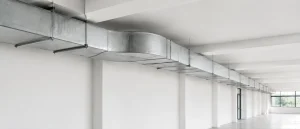
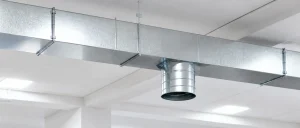
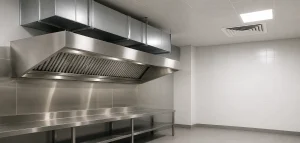
Ductwork systems play a crucial role in maintaining a comfortable and healthy indoor environment, whether in residential or commercial properties.
Neglecting regular maintenance can lead to reduced efficiency, higher energy bills, and poor air quality.
Dust, debris, and even mould can accumulate over time, affecting not only the system’s performance but also the well-being of occupants.
Regular maintenance ensures that the ductwork continues to function at its peak, delivering consistent airflow and optimising the performance of heating, ventilation, and air conditioning (HVAC) systems.
By addressing issues early, property owners can avoid costly repairs and extend the lifespan of their ductwork.
Regular Inspection Schedule
Establishing a regular inspection schedule is the first step in keeping ductwork in optimal condition.
Residential properties should ideally have their systems checked at least once a year, while commercial buildings with higher usage may benefit from inspections every six months.
Regular inspections allow you to identify potential problems before they escalate.
During inspections, it is important to examine key components such as joints, insulation, and support brackets.
Access panels should also be checked to ensure they are secure and provide a proper seal. Any signs of wear or damage should be documented and addressed promptly to prevent further deterioration.
Cleaning Your Ductwork
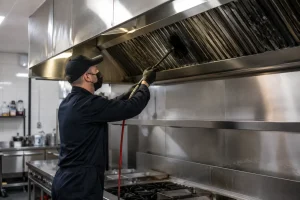
Cleaning ductwork is essential for maintaining good indoor air quality and efficient system performance.
Dust, pollen, and other airborne particles can accumulate inside ducts over time, creating blockages and promoting the growth of mould or bacteria. Professional cleaning ensures that these contaminants are safely removed.
For those considering a DIY approach, it is essential to use suitable tools, such as vacuums with HEPA filters, and to follow safety precautions when handling cleaning products.
However, for thorough maintenance, hiring a certified professional is recommended, as they can access hard-to-reach areas and ensure that all components are properly cleaned.
Checking for Leaks and Damage
Air leaks in ductwork can significantly reduce the efficiency of an HVAC system, causing uneven heating or cooling and higher energy bills.
Signs of leaks include unusual drafts, inconsistent airflow, and increased dust around vents. Regularly checking for these issues can prevent long-term energy loss.
Damage such as corrosion, cracks, or disconnected sections should be addressed promptly.
While minor issues may be fixed with sealant or duct tape, more serious problems require professional attention to ensure the system remains safe and effective.
Timely repairs prevent further deterioration and maintain system integrity.
Maintaining Airflow and Efficiency
Proper airflow is essential for the efficient operation of an HVAC system.
Blockages or poorly maintained ducts can reduce the system’s capacity to heat or cool a property, leading to increased energy consumption and uneven temperature distribution.
Maintaining consistent airflow involves regular filter changes, keeping vents unobstructed, and checking that all duct sections are properly aligned.
Ensuring that air can move freely through the system reduces strain on the HVAC equipment, prolonging its lifespan and improving overall efficiency.
Professional Servicing
While property owners can perform routine inspections and cleaning, professional servicing is essential for maintaining complex ductwork systems.
Certified technicians have the expertise to identify underlying issues that may not be immediately apparent and can carry out repairs safely and efficiently.
Professional servicing also ensures compliance with UK safety standards and regulations.
Regular visits from a qualified technician provide peace of mind that the ductwork system is operating at its best and help avoid unexpected failures that could disrupt property operations.
Seasonal Considerations
Seasonal changes can place additional demands on ductwork systems, making it important to adjust maintenance routines accordingly.
Before winter, checks should focus on heating efficiency, insulation integrity, and potential blockages that could hinder warm air circulation.
During the summer months, attention should be given to cooling performance, humidity levels, and ensuring that vents and ducts are free from debris that could restrict airflow.
Proactive seasonal maintenance helps maintain comfort throughout the year and reduces the risk of costly system failures.
Conclusion
Regular maintenance is key to keeping ductwork systems running efficiently and effectively.
By following a consistent inspection and cleaning schedule, checking for leaks and damage, and utilising professional services when needed, property owners can ensure optimal system performance.
Taking a proactive approach not only extends the lifespan of the ductwork but also improves indoor air quality, enhances energy efficiency, and prevents unexpected breakdowns.
Investing time and effort into regular maintenance pays dividends in comfort, safety, and cost savings.