Designing and installing a ventilation duct system isn’t just about moving air from one place to another. When it’s done properly, it improves air quality, keeps rooms comfortable, reduces energy waste, and avoids long-term problems like noise, poor airflow, or condensation.
In this guide, I’ll walk you through how to design ventilation duct systems and how to install them correctly, step by step. I’ll also share common mistakes we see on sites and practical tips to help you get better performance from your system.
Start with Proper Ventilation System Planning
Every good system starts with planning. Before we think about ducts, fittings, or materials, we need to understand the building and how it’s used.
I always begin ventilation system planning by asking:
- Which rooms need fresh air supply?
- Where does moisture, heat, or stale air need to be extracted?
- How will air move through the building naturally?
Early planning helps shape the ventilation layout and keeps duct routes simple. When duct paths are planned too late, they often clash with beams ceilings or other services which makes installation harder and less efficient.
Creating a Clear Ventilation Ductwork Design
A strong ventilation ductwork design keeps airflow smooth and balanced. The goal is simple: move air efficiently with as little resistance as possible.
When I design duct layouts, I focus on:
- Short, direct duct runs
- Fewer sharp bends
- Symmetrical routes where possible
This approach improves airflow and makes the system easier to balance during commissioning. It also shows why duct sizing and layout are so important. Even a well installed system will not perform well if the design is poor.
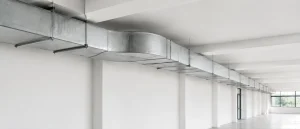
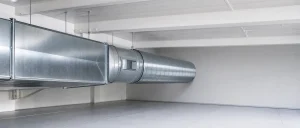
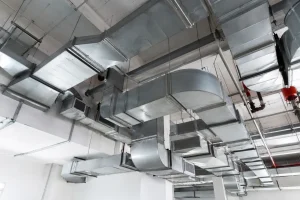
For larger or exposed systems, we often recommend rectangular ductwork. It’s space-efficient, neat, and easier to integrate into tight ceiling zones.
How to Calculate Duct Size for Ventilation?
One of the most common questions we hear is how to calculate duct size for ventilation. This is where HVAC duct design calculation becomes essential.
Duct size depends on:
- Required airflow (measured in m³/h or l/s)
- Air velocity limits (to reduce noise and draughts)
- Length of the duct run and number of bends
If ducts are too small, airflow is restricted and noise increases. If they’re too large, the system becomes inefficient and harder to control. Correct sizing is important for good airflow and long term performance in a ventilation system
Choosing the Right Types of Ventilation Duct Materials
Not all ducts are the same. Selecting the right material affects durability, noise, and energy efficiency.
Common types of ventilation duct materials include:
- Galvanised steel for strength and long-term reliability
- Pre-insulated ducts for faster installation
- Aluminium ducts for short or flexible connections
Material choice should always suit the building type, airflow demands, and installation environment.
Tools Needed for Ventilation Duct Installation
Once the design is final, installation can begin. Having the right tools makes a big difference to quality and speed.
Typical tools needed for ventilation duct installation include:
- Measuring and marking tools
- Fixings, hangers, and supports
- Sealing materials for airtight joints
- Cutting and forming tools for duct sections
Good installation isn’t about rushing — it’s about accuracy and consistency.
Air Duct Installation Step by Step
Here’s how I approach air duct installation step by step on site:
- Set out duct routes clearly using drawings and measurements
- Install main ducts first, keeping them level and well supported
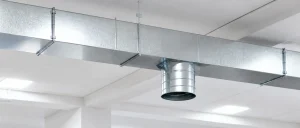
- Add branch ducts with smooth connections to reduce pressure loss
- Seal all joints properly to prevent air leakage
- Apply insulation where ducts pass through cold or unheated spaces
This structured HVAC duct installation process helps avoid rework and ensures the system performs as designed.
Ventilation Duct Insulation Tips That Matter
Insulation is often overlooked, but it plays a huge role in energy efficiency. Poorly insulated ducts lose heat, create condensation, and reduce system performance.
My key ventilation duct insulation tips are:
- Keep ducts inside the thermal envelope where possible
- Use vapour-sealed insulation in cold areas
- Insulate intake and exhaust ducts to maintain temperature control
This supports energy-efficient duct design and protects the system over time.
Common Mistakes in Duct Design to Avoid
We’re often called in to fix problems caused by poor design choices. Some common mistakes in duct design include:
- Ignoring space for silencers and access panels
- Running ducts too long or with too many bends
- Placing supply or extract points in the wrong locations
- Forgetting maintenance access
Avoiding these issues early saves money, time, and frustration later.
Local Experience Makes a Difference
Every building is different, and local experience matters. We regularly work on projects across Kent, including ductwork in Ashford, Canterbury, Chatham, and Maidstone, adapting each system to suit the space, structure, and usage.
Final Thoughts – Design It Right, Install It Once
A good ventilation system is not complicated but it needs careful planning accurate calculations and proper installation. When design and installation work together it gives better airflow uses less energy and lasts longer.
At CVK Ductwork Services, we design, manufacture, and install ventilation duct systems that are practical, efficient, and built to perform. If you’re planning a new system or upgrading an existing one, get in touch with us today.
We’re always happy to offer clear advice and help you get it right from the start.